
Welcome to Day 1 of the Plant Spirit Ally Challenge. If you haven’t already downloaded your free guide, I recommend you do so: the guide contains instructions for each day of the challenge, whether or not a blog post exists for that day.
Now, I realize many of you chose your ally (or were chosen by them) before the challenge began, and that’s all right! But if you aren’t sure which plant to work with, here are several ways you might choose a Plant Spirit Ally.
CHOOSING A PLANT
Nursery
Visit a nursery and look for a plant who you find beautiful.
Pros of this method:
- Plants are (usually) clearly labeled, which is helpful if you aren’t familiar with plant names.
- A variety of herbs is usually available at nurseries.
- Your plant ally will come with growing instructions
- Nursery staff can answer any questions you might have about the plant
Cons of this method:
- You might have to spend money on a new plant in order to work with them.
- You probably won’t meet many weeds or wild plants.
- Native plants are sometimes hard to find at nurseries.
- The plants for sale usually haven’t reached full size, so you might not get a realistic idea of what the mature plant looks like.
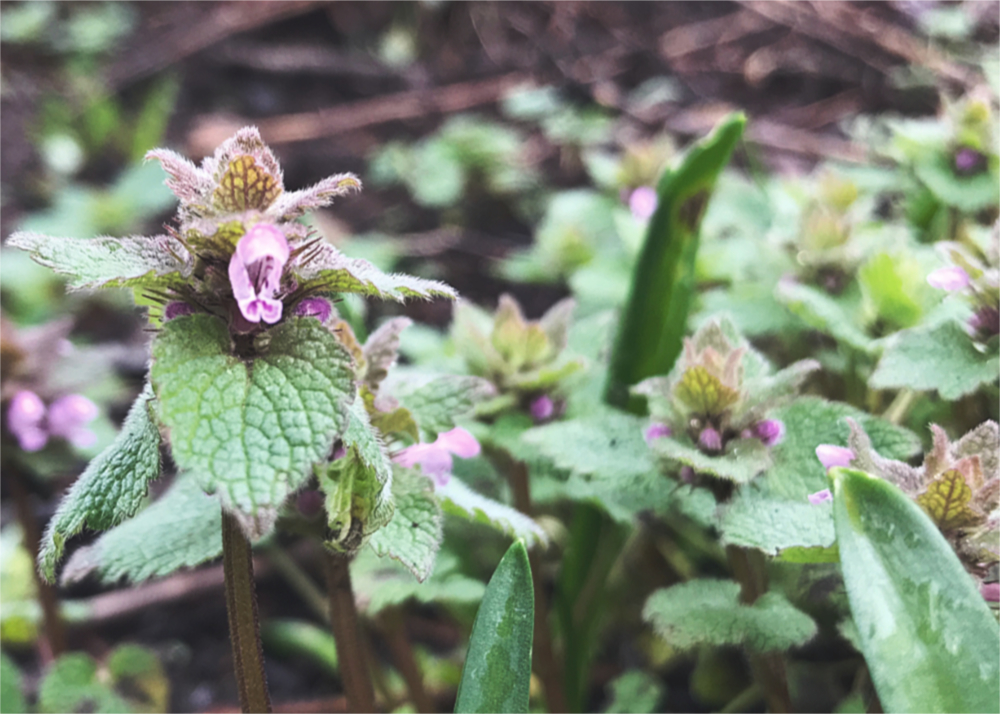
Your Yard and/or Garden
Go out into your yard and see which plant or tree you are attracted to, then find their identity if you don’t know it already.
Pros of this method:
- It’s free!
- It’s easiest to work with a plant if you don’t have to leave home to do so.
- You can observe the plant in their habitat right from the start.
- You can be sure your ally will grow successfully in the conditions in your yard.
- You’ve got a good chance of making friends with something wild, feral, or native to your region.
- You’ll probably be able to find privacy for meditation.
Cons of this method:
- It only works if you have a yard.
- You might have to do a lot of research to identify your new plant ally.
The Park
Go to a local park to find a plant who calls to you.
Pros of this method:
- It’s free!
- You can observe the plant in their habitat from the start.
- You might meet someone wild, feral, or native to your region.
- The plants will be used to hanging out with people and will probably be friendly.
- More accessibility: many parks have paved paths which can be navigated in a wheelchair or by those with mobility issues, or with a stroller and/or small children.
- If you have children, it will probably be as enjoyable for them as it is for you.
Cons of this method:
- You might have to do a lot of research to identify your ally.
- You’re unlikely to have privacy or uninterrupted time and space for meditation.
- You might not be allowed to harvest parts of your new ally.
Draw a Name out of a Hat
Write the name of several plants you know on slips of paper, and draw one out of a hat.
Pros of this method:
- It requires zero intuition or psychic ability to use—helpful if this is all new to you and you’ve never tried talking to plants before.
- You can limit the number of possibilities to plants you feel comfortable working with, ruling out anything poisonous if that’s important to you.
- It isn’t dependent on nice weather.
- It’s relatively easy for people with any kind of mobility issues or with health issues that limit energy or physical stamina.
- Easy for people with small children.
Cons of this method:
- You need to know the names of at least a few plants in order to do it, so it’s not as useful for absolute beginners.
- With fewer plants to choose from, this method limits the opportunities for synchronicity and unexpected magic.
Let a Plant Choose You
Sometimes it’s very obvious when a plant is calling to you, especially if you’ve already honed your intuition or psychic abilities. Other times the hints are more subtle. See the following article if you want to try this method and need a little help:
Six Signs a Plant Wants to Make Magic with You
PLANT IDENTIFICATION
What if you find a potential plant friend but aren’t sure of their identity? Here are some ways to figure it out:
Social Media
Post a photo (or photos) of your mystery plant on your favorite social media platform using #plantidentification or #plantid (or both). Someone is likely to know the plant’s name. Or join a local gardening group.
Search Engines
This is especially useful if your ally is flowering. Type the color of the flower and your region into a search engine (for example, “Blue flower Portland, Oregon”), then click on the images tab to look through the pictures. If that doesn’t work, try describing the flower in other ways—for example, “Tiny blue flower shade”, or “Small blue flower five petals”.
You can also use details about where the plant grows to aid your search: For example, indicate if it grows in the shade, in wetlands, in a field or a ditch. You can also use details of its appearance and growth habits, such as creeping or trailing, spreading or upright, etc. If the plant is fuzzy or rough, woody or tender, try using those terms too. So for example, you might search for “creeping, fuzzy shade plant Oregon” .
Websites
Here are a few sites that can help with plant identification:
Field Guides
There are many types of field guides. Some focus on weeds, some on plants of a specific region, and some on trees. Your local library should have at least a few to choose from, and of course there are many available for purchase in book stores and online.
Look for a guide with color photos of each plant, detailed written descriptions of each plant’s appearance, information on their preferred habitat, and a map of where they’re usually found. All of these factors make it easier to differentiate between similar plants.
Some field guides are organized according to plant family, while others are organized according to flower color. Now that I have a basic familiarity with different plant families, I actually prefer the former; but if you’re new to studying plants and trees, you might prefer guides which are organized by flower color.
Once you’ve found your ally and know their name, you’re ready to move on to day two: meditate with your ally. For tips on day 2, you can visit M.A. Phillips of Ditzy Druid, who shares her insights on the subject.
Don’t forget, you can download your free guide to the challenge here. Just enter “0” in the box under the words “how much would you like to pay” and download the PDF.
If this post inspired or informed you, or just made you happy, feel free to buy me a cup of ko-fi or purchase an item from my ko-fi shop. Your support helps with the cost of web hosting and other expenses, allowing me to spend more time creating posts for you.


Leave a comment