
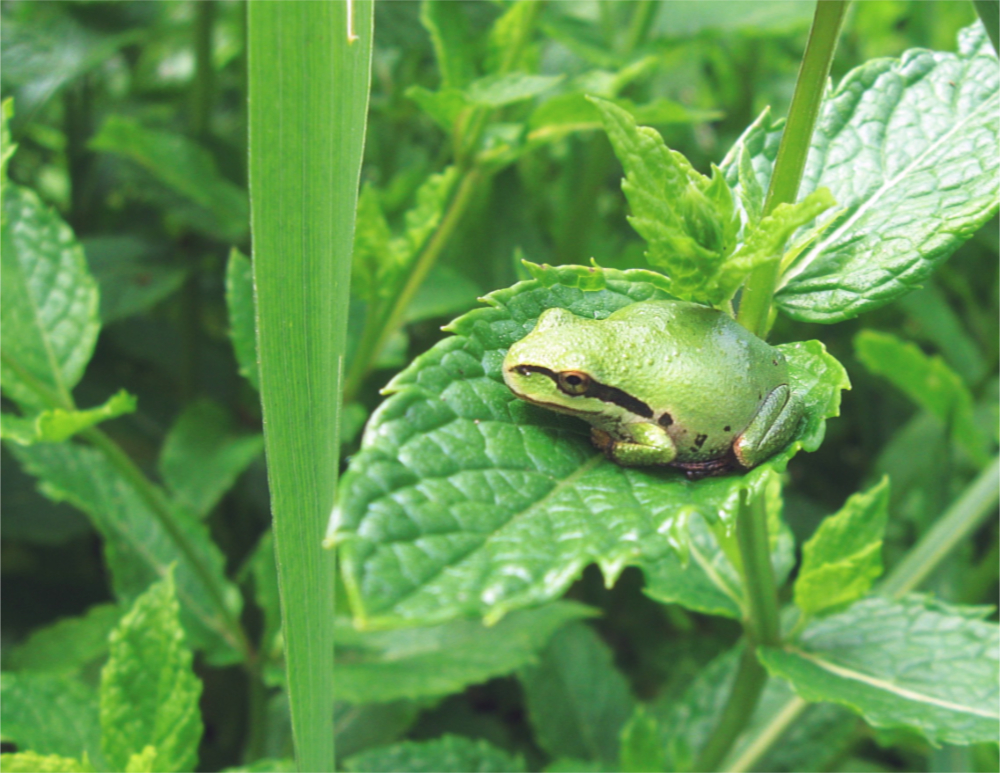
There’s so much to love about fairy tales, but one of my favorite things about them is their ability to be wonderful on many different levels. You can, if you wish, enjoy them as strange, imaginative stories and leave it at that. They can also speak to you on the subconscious, psychological level if that’s your thing. And they can reveal spiritual, even divine, truths, through their rich symbolism and mystery.
As a literal minded child I didn’t particularly enjoy the frog prince stories. I wasn’t very interested in princes, and I quite liked frogs and toads, though I was too squeamish to kiss them.
As an adult animistic polytheist, however, I love the Frog Prince(ss) stories, and many of the other animal-to-human(ish) spouse tales that can be found in so many different storytelling traditions. Not on a literal level: I still definitely prefer frogs to princes.
But as someone in love with the Otherworldly, I’m always captivated by stories of transformation that leads to intimacy with, if not marriage to, the Other.
I don’t think there’s any one right way to view the meaning of fairy tales, but I most often relate to them as a guide to successfully interacting with the spirit world. And the protagonist who approaches the Other appropriately finds themself utterly transformed.
In the world of fairy tales, the transformation tends to involve relocation as well. More often than not, the protagonist leaves their every day life behind to live forever in the world of the beloved. And in the context of these stories, that’s usually a good thing, as the protagonist often leaves their home for a compelling reason. But moving beyond the literal, the relocation often points to the fact that the transformation the protagonist experiences is total and irrevocable. They are wed to the Other: and in some way, they have also become Other. There’s no going back to their simple lives after such a transformation.
In the living, human world, of course, even the deepest transformation through communion with the unseen probably won’t remove us from our material lives. Deep intimacy with the divine doesn’t exempt us from material needs. We may travel the Otherworld as much as we like, but when we return we still have to eat, maintain shelter, and wash our dishes now and then. I used to find this disappointing, and wish I could be carried away to some place where I didn’t have to worry about these boring, mundane responsibilities.
Now don’t get me wrong, I still don’t enjoy mundane responsilities. I don’t know anyone who does. But I’m learning to see the gift in them. Because I AM human, and I DO have a body, however much I love and need intimacy with the spirit world. Yes, my spiritual life has transformed me in ways that won’t be undone, and I don’t regret it. But the humble tasks of caring for my body and home can be grounding and comforting if I let them. They can give me space to remember, and nourish, my humanity, so I don’t let my mind and spirit drift off and get lost.
And, in beautiful reciprocity, my communion with the Other infuses the simple tasks of daily life with deeper meaning, and makes even washing dishes a kind of sacred task, one that sustains my body and mind so I can continue to engage with the mystery without damaging myself. However it might seem on the surface, kissing the frog and cooking the supper are not only compatible – for us humans, they’re symbiotic.
Even if kissing the frog is a lot more fun.
Question to ponder:
How could you infuse your daily tasks with more magic and mystery?
Photo by yours truly.
If this post inspired or informed you, or just made you happy, feel free to buy me a cup of ko-fi or purchase an item from my ko-fi shop. Your support helps with the cost of web hosting and other expenses, allowing me to spend more time creating posts for you.

 Northwest Witch
Leave a comment